Guide · 2026-09-12
How a jaw crusher, riffle divider and sieve shaker turn a field sample into one that is fit for testing.
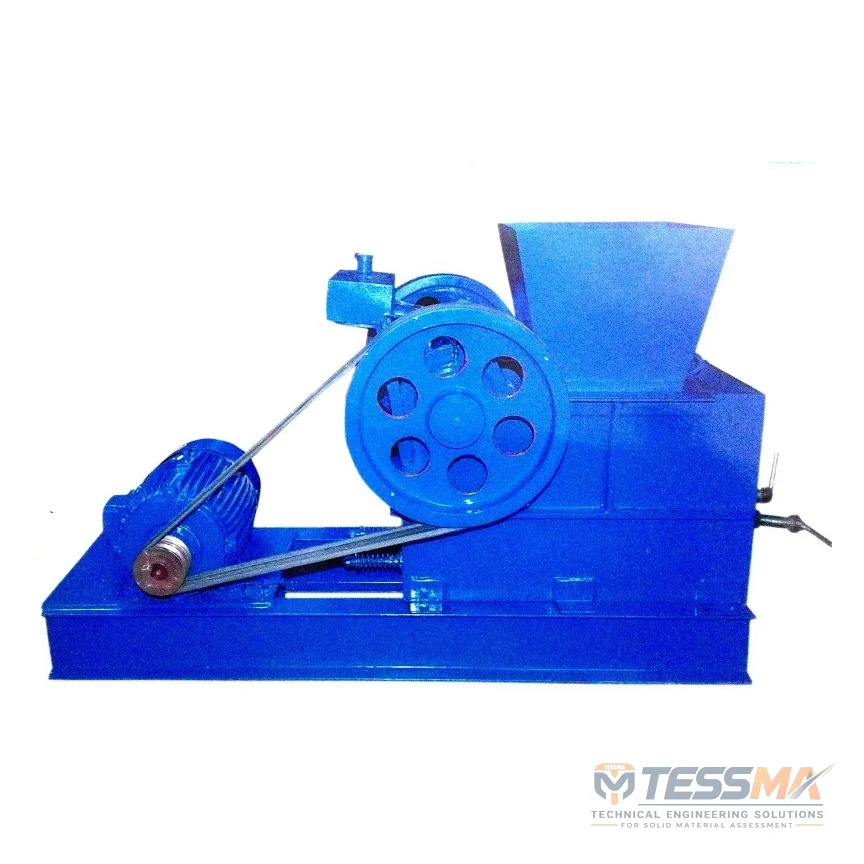
If the sample in the lab does not match the material on site, the test result will not either. Most aggregate samples go through three steps before testing, and we supply equipment for each.
First the material is crushed. The laboratory jaw crusher (TG-214) brings rock and large aggregate down to a size you can work with. When a chemical test needs a fine powder, the laboratory pulveriser (TG-215) grinds about 450 g to 100 mesh.
Next it is divided. The riffle sample divider (TG-216) splits the sample into two equal halves, and you keep splitting until you have the amount the test needs. Chute widths run from 7 to 75 mm to suit the particle size.
Finally it is graded. Standard test sieves to IS 460 (TG-217) separate it by particle size. A motorised sieve shaker (TG-218) runs a stack of up to seven sieves the same way every time, and the hand-operated shaker (TG-219) covers smaller jobs.
All of this is under General Equipment on our website. Contact us for prices, delivery times or help choosing equipment for your laboratory.